
How to Dirty Ice a Cake: The Simple Step That Makes Decorating So Much Easier
Homemade is always betterIf you have ever tried frosting a cake and ended up with crumbs everywhere, uneven icing, or a final cake that just would not smooth out nicely, the problem might be that you skipped one very important step: the dirty ice.
Dirty icing a cake, also called a crumb coat, is one of the easiest ways to get a cleaner, prettier final cake. It does not need to look perfect. In fact, the whole point is that it is just a thin base layer of icing that traps crumbs, helps seal in the cake, and gives your final layer of frosting something smooth to go over.
It is one of those little baking and decorating steps that makes such a big difference, especially when you are making layer cakes for birthdays, holidays, or special occasions.
If you have been wondering what dirty icing means, how to do it, or whether it is really necessary, this guide will walk you through it all.
What Does It Mean to Dirty Ice a Cake?
Dirty icing a cake means applying a very thin layer of frosting over the entire cake before adding your final layer of icing.
This thin coat:
-
traps loose crumbs
-
seals in the cake
-
creates a smoother surface
-
makes the final frosting layer easier to apply
-
helps decorations stick better
You may also hear this called a crumb coat. Dirty ice and crumb coat mean the same thing.
It is not supposed to be beautiful. It is just the foundation that helps the final cake look polished.
Why Dirty Icing a Cake Matters
This step is easy to skip when you are in a rush, but it really does matter.
Without a dirty ice layer, crumbs can pull into your frosting and make the whole cake look messy. You may also find that your frosting drags, tears the surface of the cake, or becomes much harder to spread evenly.
A dirty ice coat is especially helpful when:
-
your cake is soft or tender
-
you are working with gluten-free cakes, which can be a bit more delicate
-
you want a smooth final finish
-
you are decorating with sprinkles, wafers, candy, or piping
-
you need the frosting to act like “glue” for decorations
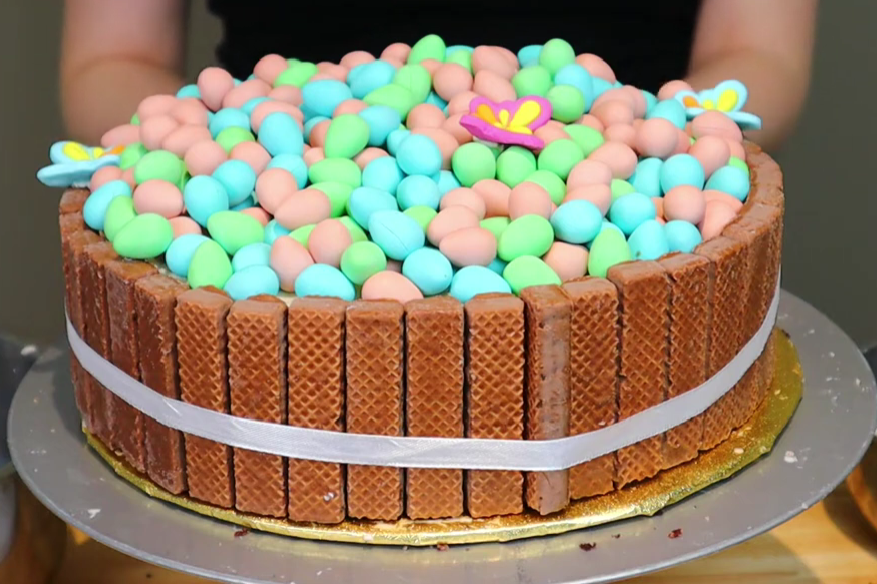
For example, if you are decorating an Easter basket cake with chocolate wafers around the outside, you need that dirty ice layer first so the wafers have something to stick to.
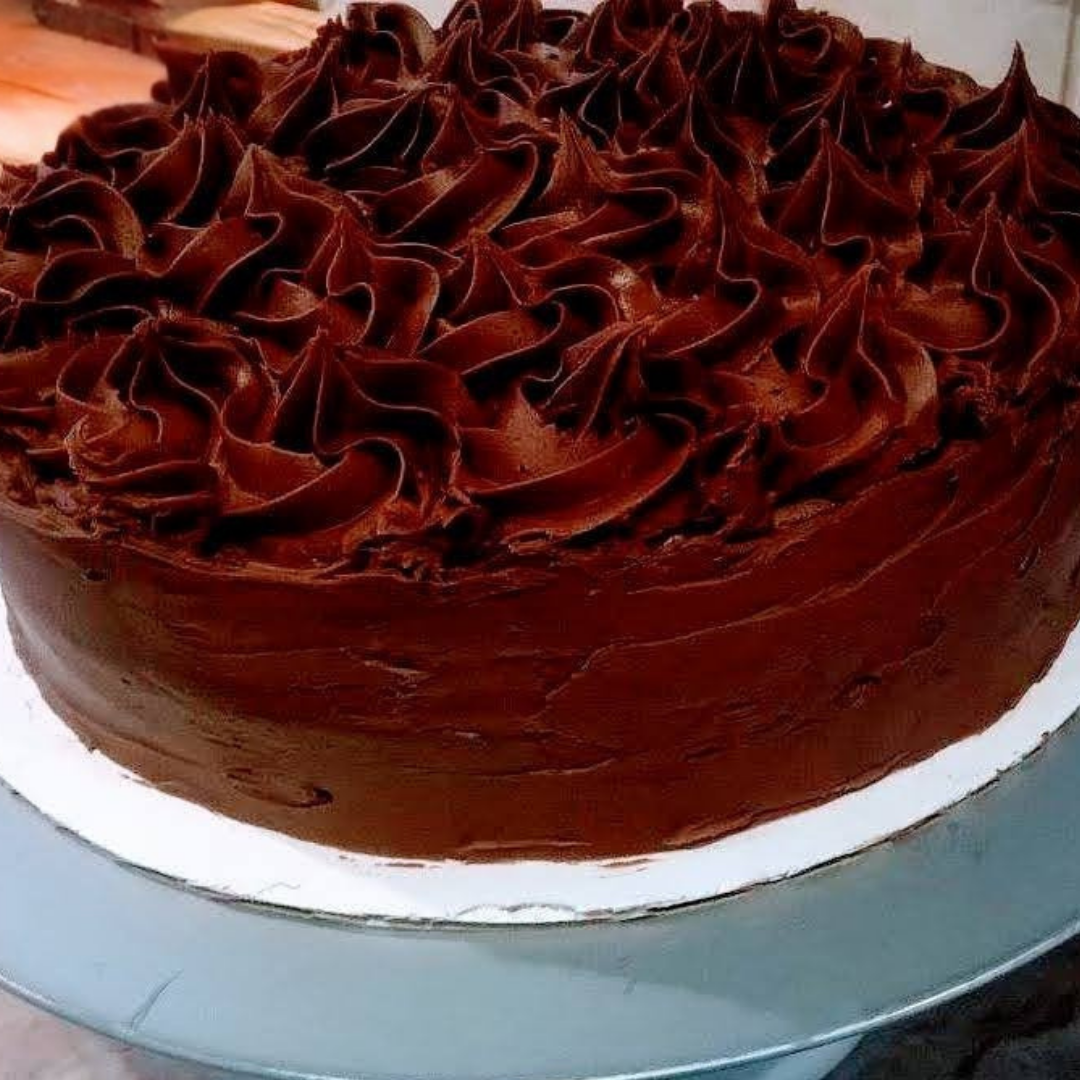
When Should You Dirty Ice a Cake?
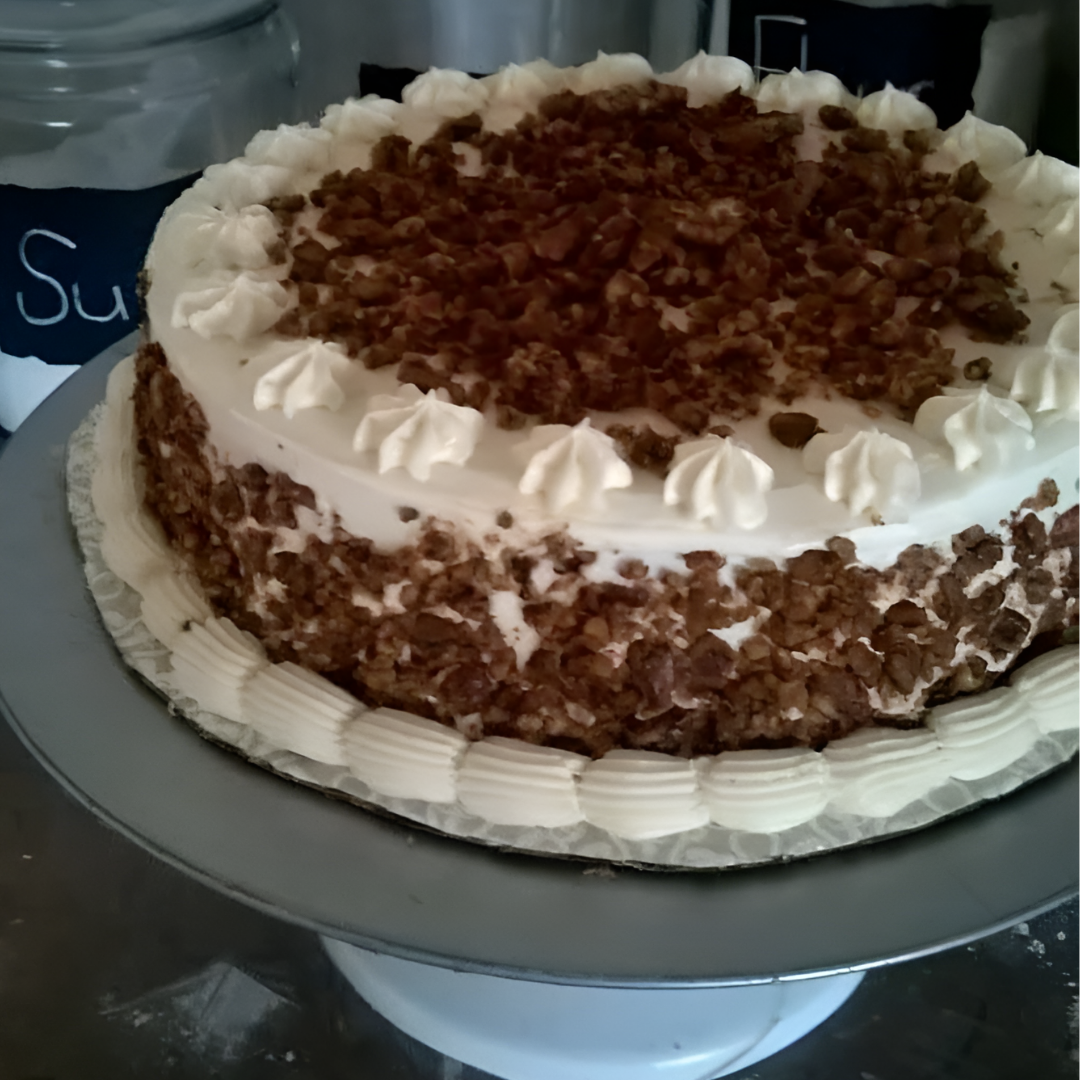
You should dirty ice a cake after your layers are stacked and filled, but before you add the final coat of frosting or decorations.
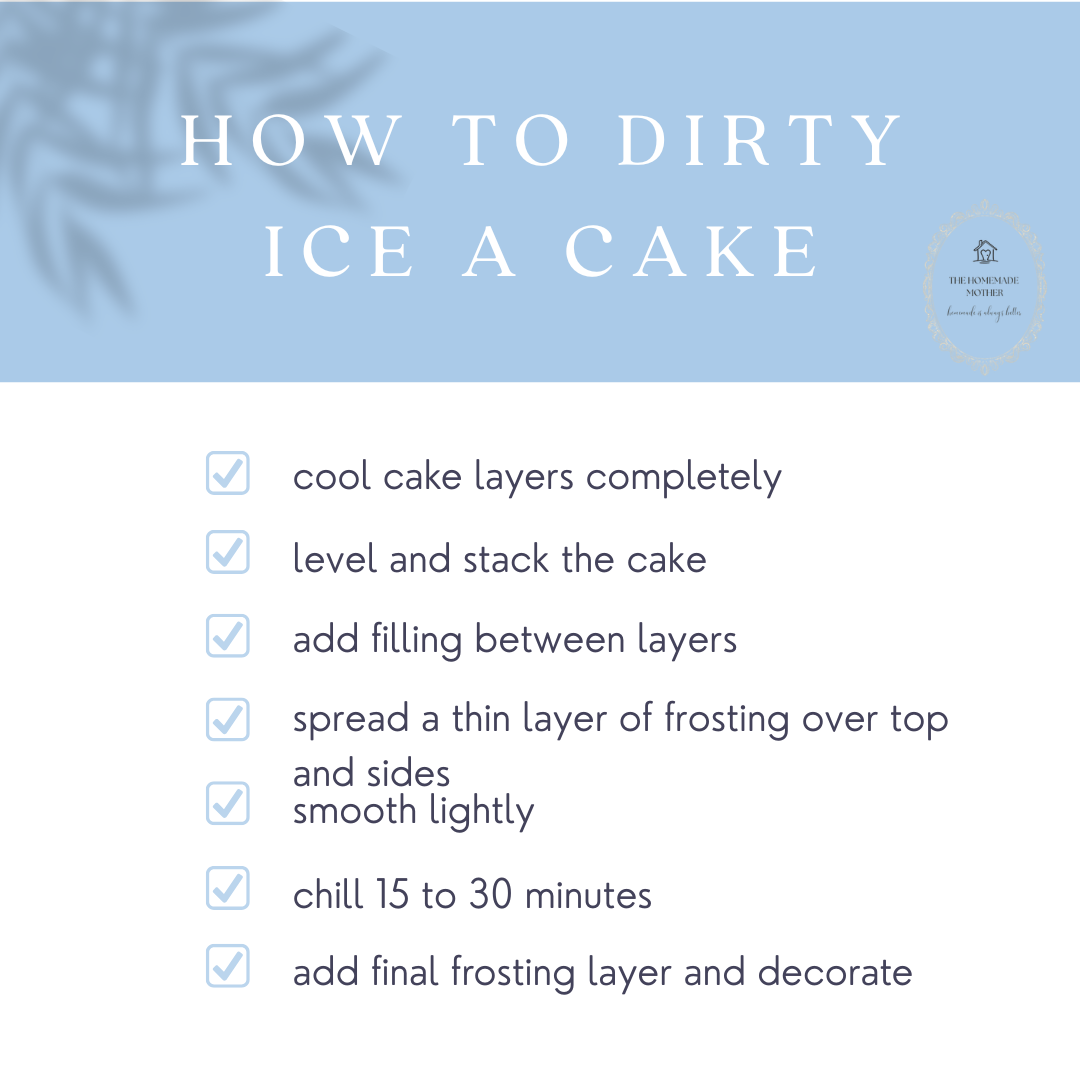
The basic order looks like this:
- bake and cool your cake layers
- level the cakes if needed
- add your filling between layers
- stack the cake
- dirty ice the whole cake
- chill the cake
- add the final layer of frosting
- decorate
That chill time between the dirty ice and final frosting is what helps everything set up properly.
What You Need to Dirty Ice a Cake
You do not need a fancy setup to do this. A few basic tools help, but you can absolutely make it work with simple kitchen supplies.
Helpful tools:
-
cooled cake layers
-
frosting or buttercream
-
offset spatula or butter knife
-
bench scraper or icing smoother
-
cake stand, plate, or turntable
-
parchment strips, optional
-
fridge or freezer space for chilling
If you do not have an offset spatula, a regular butter knife or small spatula can still do the job.
Watch me make it
The Best Frosting for a Dirty Ice Coat
Most buttercreams work well for dirty icing a cake. Chocolate frosting, vanilla buttercream, and dairy-free buttercream can all work.
What matters most is that the frosting is:
-
spreadable
-
not too stiff
-
not too runny
If your frosting is too thick, it can pull at the cake and create tears or drag crumbs around. If it is too thin, it will slide around and not hold the shape well.
You want a frosting texture that spreads easily but still holds its place.
How to Dirty Ice a Cake Step by Step
1. Make Sure the Cake Is Fully Cool
Never dirty ice a warm cake.
If the cake is even slightly warm, the frosting can melt, slide, and become difficult to work with. Fully cooled cake layers are much easier to stack and frost.
For even better results, you can chill the cake layers first. Cold cake layers tend to crumb less and feel sturdier while decorating.
2. Level the Cake Layers if Needed
If your cakes baked with domed tops, level them before stacking. This helps the cake sit evenly and makes the dirty ice process easier.
A level cake is much more stable and gives you a better final shape.
3. Add Filling and Stack the Layers
Place your first cake layer onto your cake stand or plate. Add your frosting or filling on top, then place the second layer over it.
At this stage, it helps to gently press down so the cake feels stable, but do not squash it.
4. Apply a Thin Layer of Frosting Over the Entire Cake
This is the dirty ice.
Use a small amount of frosting and spread a thin layer over the top and sides of the cake. You should still be able to see bits of the cake through the icing. That is totally fine.
The goal is not to fully cover the cake with thick frosting. The goal is just to trap crumbs and create a base.
5. Smooth It Out
Use your spatula or scraper to smooth the thin coat as much as possible. It does not have to be perfect. It just needs to cover the surface enough to hold the crumbs in place.
Even a messy dirty ice coat does its job well.
6. Chill the Cake
Once the cake is lightly coated, place it in the fridge for about 15 to 30 minutes.
This helps the frosting firm up so when you apply the final layer, the crumb coat stays put and the crumbs stay trapped underneath.
If you are short on time, a quick freezer chill for 10 minutes can also help.
7. Add the Final Frosting Layer
Once the dirty ice coat is chilled, apply your final layer of frosting.
This is where you can take your time smoothing, texturing, or decorating however you like. Because the crumbs are already sealed in, the final layer will go on much more cleanly.
How Thick Should a Dirty Ice Coat Be?
A dirty ice coat should be very thin.
You are not trying to create a finished look. You are just lightly sealing the cake. Some cake showing through is completely normal.
If your crumb coat is too thick, it can make your final frosting heavier than needed and may create bulk around the cake.
Thin is best.
Dirty Ice vs Crumb Coat: Is There a Difference?
Not really.
Some people say “dirty ice,” while others say “crumb coat,” but they mean the same thing: a thin layer of frosting applied before the final coat.
If you are searching online, using both terms in your post and headings helps readers find the information they need.
Common Mistakes When Dirty Icing a Cake
Using a Warm Cake
This is one of the biggest reasons frosting melts or becomes messy.
Using Too Much Frosting
The crumb coat should be thin, not a full finished layer.
Skipping the Chill Time
Chilling helps set the coat and makes the final frosting much easier.
Frosting a Crumbly Cake Too Aggressively
Use a gentle hand. Pressing too hard or dragging too much can pull the cake apart.
Trying to Make the Dirty Ice Perfect
It is only the base layer. It does not need to look pretty.
Tips for Gluten-Free Cakes
If you bake gluten-free often, dirty icing matters even more.
Gluten-free cakes can sometimes be softer, more delicate, or more prone to surface crumbs depending on the flour blend and recipe. A crumb coat helps keep everything together and gives you more control while decorating.
A few helpful tips for gluten-free cakes:
-
chill layers before frosting
-
use a stable buttercream
-
handle the cake gently while stacking
-
use an offset spatula if possible for lighter pressure
-
do not skip the chill after the crumb coat
This simple step can make decorating gluten-free cakes feel much less frustrating.
Do You Always Need to Dirty Ice a Cake?
Not always, but most of the time it helps.
You may be able to skip it for a very casual cake with rustic frosting, but if you want a cleaner look, smoother finish, or need decorations to stick around the sides of the cake, dirty icing is worth doing.
It is especially useful for:
-
birthday cakes
-
Easter cakes
-
layered celebration cakes
-
cakes with smooth sides
-
cakes with candy or cookies attached to the outside
My Best Advice for Beginners
If you are new to cake decorating, do not overthink dirty icing. It is one of those steps that sounds more technical than it actually is.
You are simply giving the cake a light first coat so the final coat goes on better.
That is it.
It does not need to look perfect. It does not need sharp edges. It does not need to be pretty. It just needs to do its job.
And once you start doing it, you will probably never want to frost a layer cake without it again.
FAQ
What is dirty icing a cake?
Dirty icing a cake means covering it in a thin layer of frosting before the final coat. It traps crumbs and makes the final frosting smoother.
Is dirty icing the same as a crumb coat?
Yes. Dirty icing and crumb coating are the same step.
Do I need to chill the cake after dirty icing?
Yes, chilling helps the frosting set so your final layer goes on more smoothly.
Can I dirty ice a cake with buttercream?
Yes. Buttercream is one of the most common frostings used for dirty icing a cake.
How long should I chill a crumb-coated cake?
Usually 15 to 30 minutes in the fridge is enough.
Do gluten-free cakes need a crumb coat?
It is highly recommended. Gluten-free cakes can be more delicate, so a crumb coat helps seal in crumbs and stabilize the surface.
Can I decorate a cake right after dirty icing it?
It is best to chill it first, then add the final frosting and decorations.
0 Comments