
Baking Substitutions That Actually Work (With the Science): Eggs, Buttermilk, Baking Powder + More
Homemade is always betterHave you ever needed a baking substitution using what you already have—like making your own baking powder? Or looked at brown sugar and thought, okay… why is it brown, and what makes it different from regular sugar? In this post, I’m going to break it down in a simple way and share a few easy little “recipes” you can make at home—so whether you’re in a pinch or you just want to rely on the store a little less, you’ll know exactly what to do. And of course, we’re going to talk about the science behind it all, so you understand why certain ingredients matter… and why some swaps work beautifully, and others really don’t.
Quick Answers
-
Light brown sugar: 1 cup sugar + 2 Tsp molasses
-
Dark brown sugar: 1 cup sugar + 1 Tbsp molasses
-
DIY baking powder: 1:2:1 soda : cream of tartar : starch
-
Buttermilk swap: 1 cup milk + 1 Tbsp lemon, rest 5–10 min
-
Out of eggs: choose swap based on binding vs lift vs moisture
How to make brown sugar (light + dark ratios)
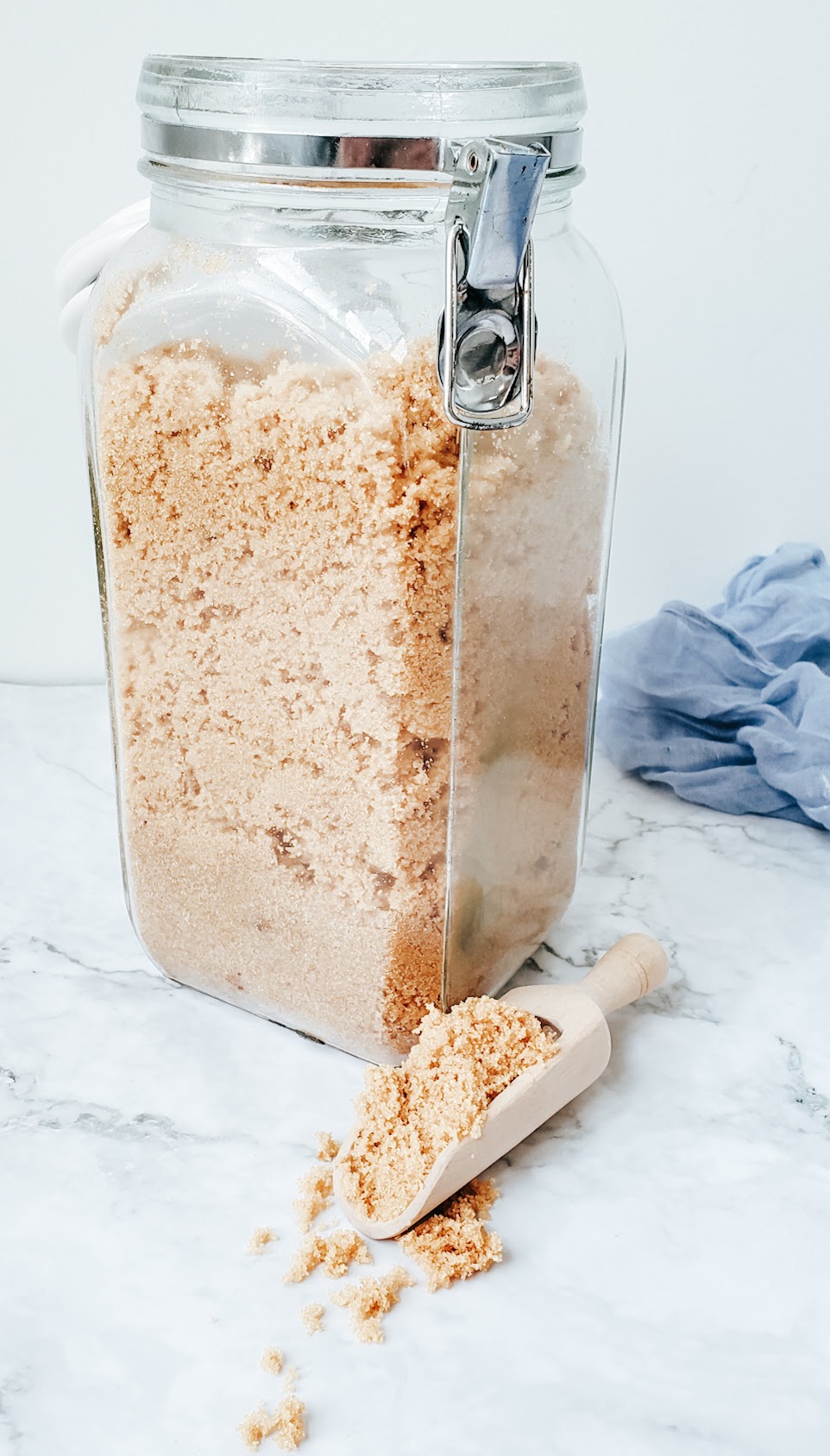
Did you know brown sugar is literally just white sugar mixed with molasses? That’s it. Molasses is the thick, dark syrup left behind after most of the sugar has been pulled out of sugarcane or sugar beets. And the darker the molasses, the deeper the flavor — less sweet, more rich and almost caramel-like — which is exactly what gives gingerbread, baked beans, and cozy spiced baking that classic, old-fashioned taste.
The best part? If you’ve got white sugar and molasses in your pantry, you can make brown sugar anytime — no special trip to the store.
-
Light brown sugar: mix 1 cup white sugar + 2 tsp molasses
-
Dark brown sugar: mix 1 cup white sugar + 1 Tbsp molasses
Just stir really well or pulse it in a food processor if you want it perfectly fluffy (I use my kitchenaid mixer and let it mix for about 10 minutes), and you’re good to go.
Baking soda vs baking powder: what’s the difference?
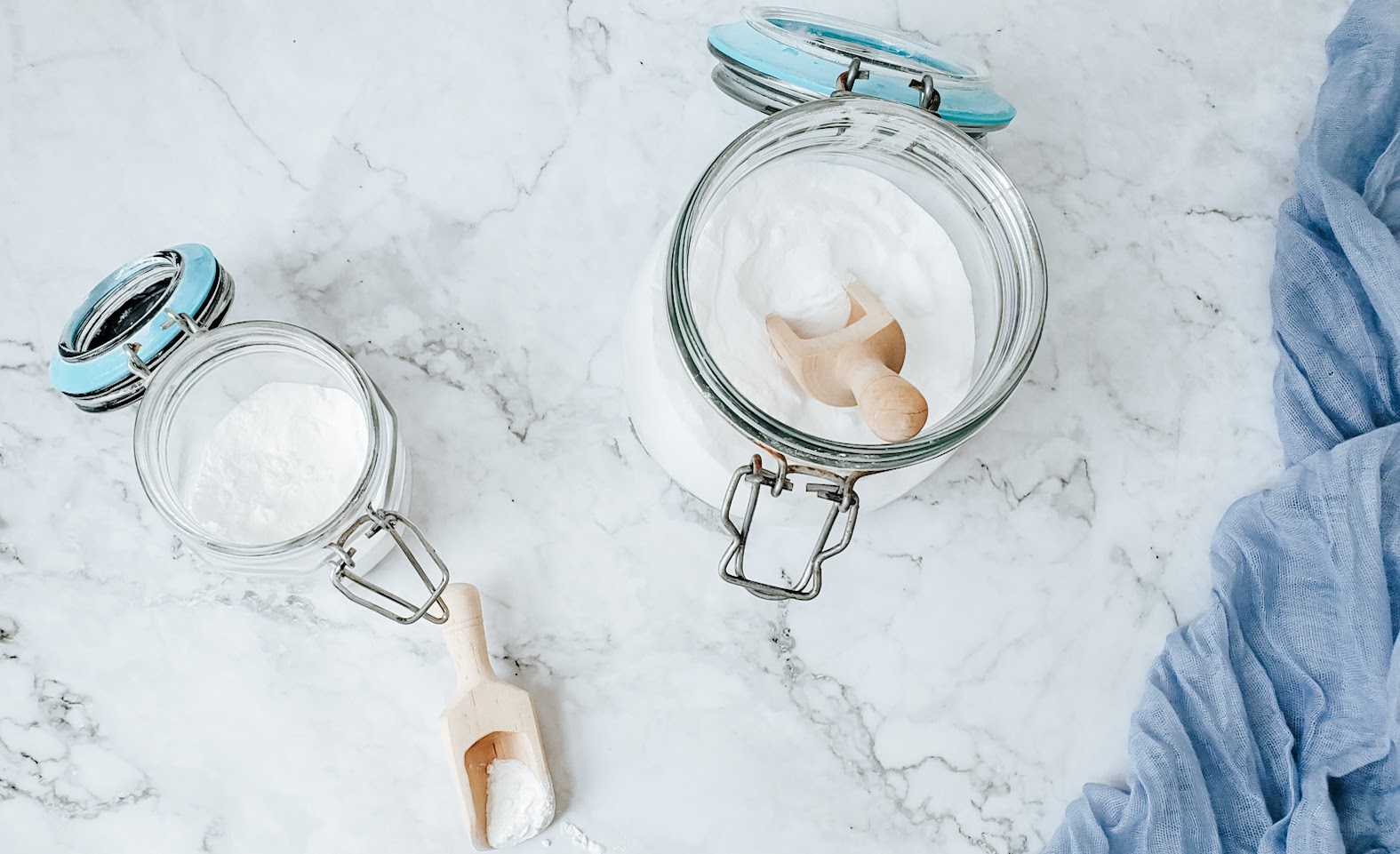
In case you didn’t know, baking powder is basically baking soda + a few extras. And you might be thinking… why bother? Why not just use baking soda for everything? This is where the science of baking comes in — and if you know me, you know I will always remind you: baking is a SCIENCE, not something you wing it and hope with.
So often people look at a recipe and think, “I’ll just swap this for that and it’ll be fine.” Sometimes it is. But in the gluten-free and dairy-free world, swaps don’t always behave the same way because the thing you replaced often had a “job” in the recipe… and now that job is missing.
Here’s the simple breakdown: baking soda helps your batter rise — but only when it has an acid to react with (think of the classic vinegar + baking soda experiment). In baking, acids can be things like yogurt or buttermilk (or dairy-free versions), lemon juice, vinegar, brown sugar or molasses, and natural cocoa, to name a few. When those acids are present, baking soda makes bubbles, and those bubbles create lift.
But if your recipe doesn’t have enough acid, baking soda can’t do its thing on its own — and that’s exactly why baking powder exists.
Baking powder = baking soda + a built-in acid + a starch (the starch just helps keep it dry and shelf-stable). Most store-bought baking powder is also double-acting, meaning it bubbles a little when it gets wet, and then again when it hits heat in the oven.
How to make baking powder at home (DIY)
Homemade baking powder is usually single-acting, which just means it starts working as soon as it gets wet — so you’ll want to mix and bake right away.
Ratio:
-
1 part baking soda
-
2 parts cream of tartar
-
1 part starch (cornstarch, arrowroot, or tapioca starch)
Small jar version:
-
1 tbsp baking soda
-
2 tbsp cream of tartar
-
1 tbsp starch
Whisk together and store in an airtight container.
Quick swap (if you’re out of baking powder)
If a recipe calls for 1 tsp baking powder, use:
-
1/4 tsp baking soda + 1/2 tsp cream of tartar
(Starch is optional if you’re using it right away.)
Buttermilk substitute: how to make it at home
Buttermilk is one of those ingredients that sounds fancy… but it actually started as a very practical byproduct. Traditional buttermilk comes from making butter. When cream is churned, the fat molecules start clumping together as the membranes around the fat break down. Eventually, those fat clumps join up into solid butter, and what separates out is the tangy liquid left behind — buttermilk.
And honestly, it’s such a good reminder of how people used to cook: they wasted nothing. If something was left over, it got used — and buttermilk became a staple because it adds tenderness, moisture, and that slight tang that also helps baking rise nicely.
Now, dairy-free “butter” usually isn’t made by churning cream the same way, so we don’t end up with that true leftover buttermilk. But we can copy what buttermilk does in a recipe: add acidity to milk so it thickens slightly and behaves more like buttermilk.
Easy buttermilk swap (dairy-free or regular)
For 1 cup milk, add:
-
1 Tbsp lemon juice (or vinegar)
Stir, then let it sit for 5–10 minutes until it looks slightly curdled/thickened.
That’s it — you’ve made a quick “buttermilk” that works beautifully in pancakes, muffins, cakes, and biscuits.
What do eggs do in baking (and what can replace them)?
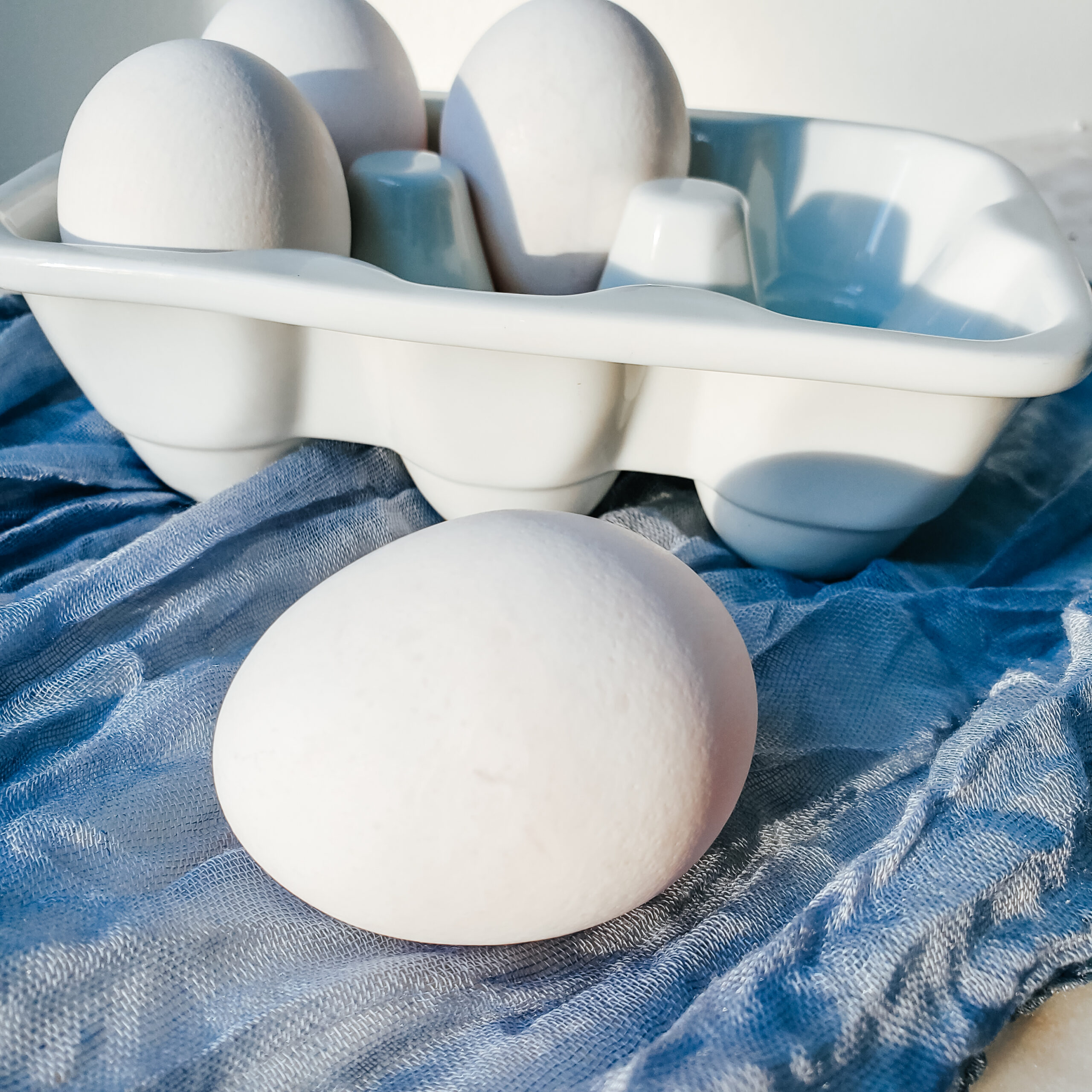
You start making muffin batter and then you realize… YOU DON’T HAVE ANY EGGS. Ever had that happen? I have—more than once. And in that moment you’re standing there thinking, do I throw everything out… or do I try to save this? Whatever you do, don’t give up. There are actually lots of ways to replace eggs, whether you simply ran out or you’re baking egg-free because of an allergy.
Here’s where the science matters (because yes—baking is still a science, even when we’re improvising). Eggs aren’t in a recipe for one single reason. Depending on the bake, eggs can do a few different “jobs”:
-
Bind everything together so the muffin doesn’t crumble
-
Add structure as the proteins set while baking (so it holds its shape)
-
Trap air and help with lift (especially when eggs are whipped or when the batter is mixed in a way that incorporates air)
-
Add moisture and richness (yolks especially)
So the best egg swap depends on what the egg was doing in the recipe. If the main job is lift, you can help that along with something that creates bubbles—like a little baking soda + an acid (vinegar or lemon juice), as long as your recipe can handle the extra leavening. If the main job is binding and structure, you want something gel-like that holds everything together—like a psyllium husk gel (or flax/chia gel). And if the egg was mostly there for moisture, options like applesauce or mashed banana can work beautifully.
Below is the simplified chart I made so you can quickly pick the best swap—and know what that swap will actually do to your recipe.
Here’s the exact Homemade Vanilla Extract recipe so you can keep the real thing on hand at all times
0 Comments